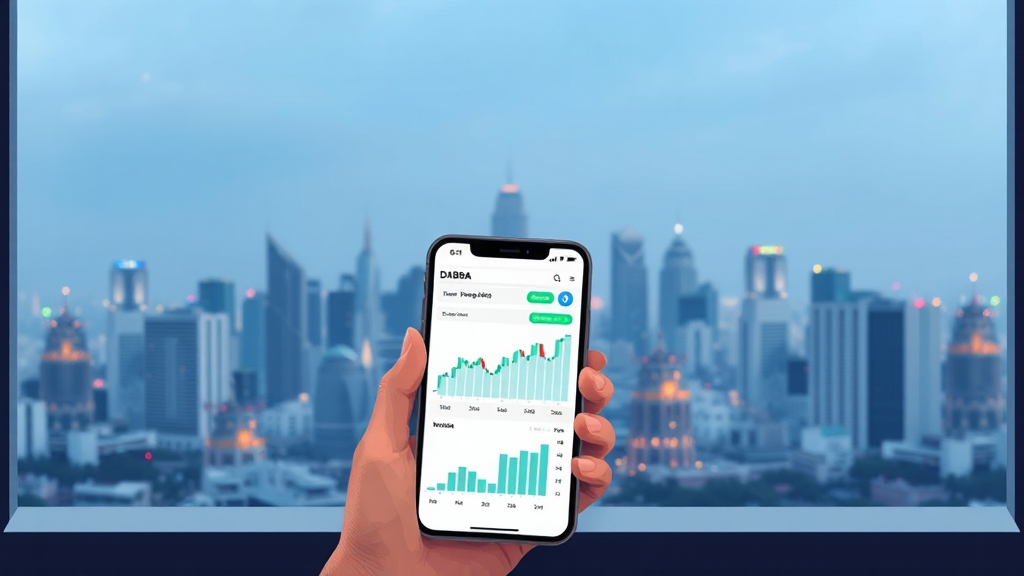
DABBA TRADING SITE: A Modern Approach to Online Trading in India
In the fast-evolving landscape of Indian financial markets, traders are constantly seeking platforms that offer speed, reliability, and real-time data. The DABBA TRADING SITE has emerged as a notable name in this domain, providing a secure environment for dabba trading—a practice that has gained traction among active investors. This article explores the nuances of dabba trading, its benefits, risks, and how modern platforms like Dabba Trading App are reshaping the experience for Indian traders.
Understanding Dabba Trading: A Brief Overview
Dabba trading, often referred to as “box trading” in colloquial terms, is an informal system where traders speculate on stock or commodity prices without executing trades on the official exchange. Instead, transactions are recorded locally by a broker, and settlements are made based on the difference in prices. This method offers flexibility and lower costs, but it operates outside regulatory oversight, which introduces significant risks. In recent years, the term has also been adopted by legitimate online platforms that provide similar trading experiences but with enhanced security and transparency. The DABBA TRADING ecosystem aims to bridge the gap between traditional dabba trading and regulated online trading.
Why Traders Are Turning to Online Dabba Platforms
The allure of dabba trading lies in its simplicity and speed. Unlike conventional trading, which involves multiple intermediaries and settlement delays, dabba trading allows for instant execution and minimal paperwork. For day traders and those who rely on quick market movements, this can be a game-changer. Online platforms like the Dabba Trading App have digitized this process, offering user-friendly interfaces, real-time charts, and seamless order placement. Moreover, these platforms often provide leverage, enabling traders to amplify their positions with a relatively small capital outlay. This combination of speed and accessibility has made them popular among a new generation of investors.
Key Features of a Reliable Dabba Trading Platform
When evaluating a DABBA TRADING ID provider, several factors come into play. First, security is paramount—ensuring that funds and personal data are protected through encryption and robust authentication. Second, execution speed must be lightning-fast, as delays can lead to missed opportunities or slippage. Third, the platform should offer comprehensive market insights, including live prices, technical indicators, and news feeds. The Dabba Trading App prides itself on these aspects, providing a dashboard that aggregates all essential tools in one place. Additionally, customer support and ease of withdrawals are critical for long-term trust.
Risks and Considerations in Dabba Trading
Despite its advantages, dabba trading carries inherent risks that traders must acknowledge. Because these platforms operate outside the purview of regulatory bodies like SEBI, there is no recourse in case of broker default or dispute. Price manipulation and data inaccuracies are also concerns. Furthermore, the lack of transparency in settlement processes can lead to disputes. It is essential for traders to conduct thorough due diligence before committing funds. Reputable platforms, such as those offering MCX DABBA TRADING, often implement internal safeguards like escrow accounts and audit trails to mitigate these risks, but the onus remains on the trader to understand the terms fully.
How Dabba Trading App Enhances the Trading Experience
The DABBA TRADING APP is designed with the modern trader in mind. Its intuitive interface allows users to navigate between different asset classes, monitor positions, and execute trades with a few taps. The platform leverages advanced algorithms to provide real-time insights, helping traders make informed decisions. Moreover, it offers customizable alerts and risk management tools, enabling users to set stop-loss and take-profit levels. The app also supports multiple payment methods for deposits and withdrawals, ensuring convenience. For those new to dabba trading, the app includes educational resources and demo modes to practice without risking real capital.
Comparing Dabba Trading with Traditional Online Trading
Traditional online trading through registered brokers offers regulatory protection and a transparent ecosystem. However, it often comes with higher brokerage fees, mandatory KYC procedures, and settlement cycles that can be restrictive for high-frequency traders. Dabba trading, on the other hand, provides a more flexible and cost-effective alternative, albeit with less oversight. For traders who prioritize speed and lower costs, dabba trading can be attractive. Yet, the trade-off is the increased counterparty risk. The best approach is to weigh these factors based on individual trading style and risk tolerance. Platforms like Dabba Trading App aim to combine the best of both worlds by offering a structured yet agile environment.
Future of Dabba Trading in India
The future of dabba trading in India appears promising, as technology continues to evolve and more traders seek alternative avenues. With the rise of mobile trading and fintech innovations, online dabba platforms are likely to become more sophisticated, incorporating artificial intelligence for predictive analytics and blockchain for enhanced transparency. However, regulatory clarity remains a pivotal factor. If authorities decide to formally regulate these platforms, it could legitimize the practice and attract institutional participation. Until then, individual traders must exercise caution and stay informed about the legal status of dabba trading in their jurisdiction.
Conclusion
In conclusion, the DABBA TRADING SITE represents a modern evolution of an age-old trading practice. While it offers undeniable benefits in terms of speed and convenience, it also demands a higher level of diligence from traders. By choosing reputable platforms like Dabba Trading App, traders can enjoy a secure and efficient trading experience. As the financial landscape continues to shift, staying educated and adaptable will be key to success in this dynamic arena.
Frequently Asked Questions
Is dabba trading legal in India?
Dabba trading operates in a legal gray area. It is not recognized by SEBI and is considered an unregulated activity. While there are no explicit laws prohibiting individuals from participating, it lacks the protections of regulated trading. Traders should be aware of the risks involved.
How does a dabba trading app differ from a traditional broker?
A dabba trading app typically offers faster execution, lower fees, and more flexible terms compared to traditional brokers. However, it does not provide the same level of regulatory oversight or investor protection. It’s essential to understand the platform’s terms and reputation before using it.
What should I look for in a reliable dabba trading platform?
Key factors include security measures, execution speed, transparency of fees, customer support, and the availability of real-time market data. Reading user reviews and checking the platform’s track record can also help in making an informed choice.
Can I trade commodities like MCX through a dabba trading site?
Yes, many dabba trading platforms offer access to commodity markets, including MCX (Multi Commodity Exchange) derivatives. However, since these are not exchange-traded, prices and settlements are determined by the platform, which may differ from official market rates.
Readers who are interested in this topic will benefit from exploring multiple perspectives and understanding the nuanced approaches that industry leaders recommend. Taking time to research thoroughly ensures better outcomes and more informed decision-making.
Those looking to gain deeper knowledge in this area should consider following expert analysis, staying updated with the latest developments, and engaging with professional communities where these topics are discussed in detail.
A comprehensive understanding of this subject requires looking at both theoretical foundations and practical applications. By combining study with hands-on experience, learners can develop a well-rounded perspective that serves them well in real-world scenarios.
As the landscape continues to shift and evolve, staying informed about emerging trends and best practices becomes increasingly valuable. This ensures you remain competitive and capable of adapting to new challenges as they arise.